
Syngas reduces dependence on natural gas, which is essential for agricultural fertilizers and food production.
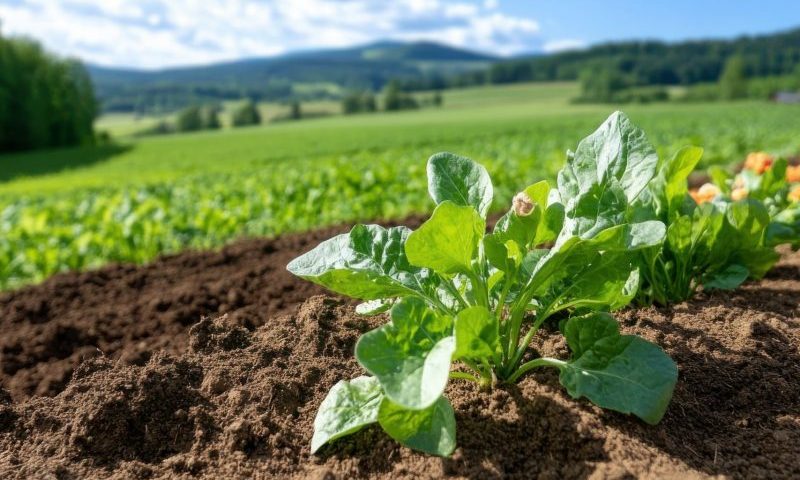
There is a little-known but very close link between fossil fuels and agricultural products, including those used for food. Modern agriculture uses large quantities of nitrogen fertilizers, and natural gas (methane) is the essential raw material for their production.
In particular, the most widely used fertilizer is urea, which is a source of slow-release nitrogen, essential for plant growth. Urea is produced primarily through a process that relies heavily on methane. Methane provides the hydrogen needed to produce ammonia (NH3), which is then combined with carbon dioxide (CO2) to obtain urea (CO(NH2)2).
Because of this very close link between fertilizers and methane, any shock to natural gas supply and prices also has a corresponding impact on food prices.
The Sarroch industrial site operates an IGCC (Integrated Gasification Combined Cycle) plant that produces synthesis gas (syngas) from the heavy fraction of petroleum. This syngas is then used to generate electricity (equivalent to approximately half of Sardinia’s consumption) and to cogenerate the steam and hydrogen needed by the refinery.
The use of syngas at the Saras plant reduces the use of methane for electricity generation by approximately 830 million standard cubic meters per year.
This saved methane can then be made available for other primary uses that have no real alternatives, such as the production of fertilizers for agriculture, on which food production also depends.